
There was a version of me, nearly a decade ago, who lived for the Goodreads Challenge. 150 books a year was a standard, not a stretch. Reading wasn’t just a hobby; it was the primary lens through which I saw the world.
Fast forward to the present, and like many of us, my attention span has been eroded by the infinite scroll. I’ve become someone with the “attention span of a goldfish,” attempting to read on my phone only to find myself five minutes later deep in a rabbit hole of emails, Instagram notifications, or news cycles. The habit that defined my childhood had become a casualty of the “everything device” in my pocket.
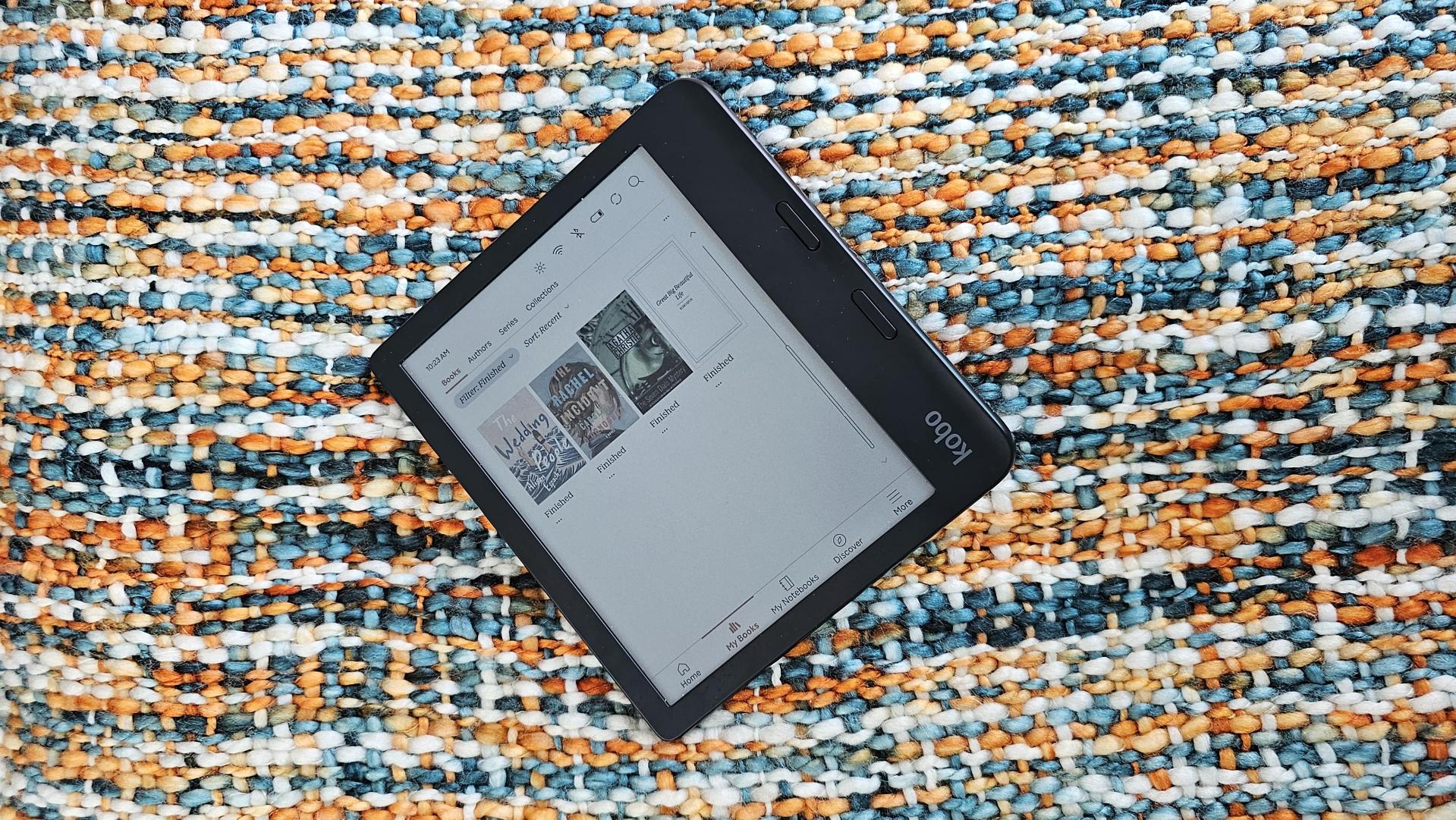
Thirty days ago, I made a conscious purchase: the Kobo Libra. It was a move toward “The Slow Edit” in its purest form—an intentional separation of my digital life from my reading life.
The Beauty of Limitations
The most profound thing about the Kobo isn’t what it can do, but what it can’t.
On my phone, reading was always in competition with every other app. The Kobo Libra offers a singular experience. It is a device where the only thing I can do is read. There is no browser to distract me, no pings from work, and no blue light to keep my brain in a state of high alert.
By moving my books to a dedicated E-ink screen, I’ve effectively “de-noised” my reading environment. It’s a physical boundary that tells my brain: We are only doing one thing now.
Reclaiming the Childhood Habit
In the first week, the “goldfish” brain struggled. I’d reach for the corner of the device expecting a notification that wasn’t there. But by week three, something shifted.
Without the temptation to switch tabs, I started to sink into the prose again. I found myself reading for an hour at a time—something I hadn’t done consistently in years. It felt like coming home to a version of myself I thought I’d lost.
This wasn’t about hitting a high book count or winning a challenge. It was about the quality of the attention I was giving the words.
Why the Kobo Libra?
I chose the Libra specifically for the tactile experience. The page-turn buttons and the ergonomic grip make it feel like an object meant to be held, much like the physical books of my youth. The “ComfortLight” also allowed me to transition into a nighttime routine that didn’t involve the harsh glare of a smartphone, helping me wind down naturally.
The Edit: Separating to Focus
We often think that more “all-in-one” technology makes our lives easier. But for me, the opposite has proven true. By adding a “redundant” device to my life, I’ve actually simplified it.
If you find your focus fractured and your favorite habits slipping away into the digital void, I can’t recommend the “Single-Tasker” approach enough. Sometimes, the best way to move forward is to look back at the simple, focused ways we used to engage with the things we love.
The 150-book-a-year version of me might be gone, but the version of me that gets lost in a story for hours? She’s finally back.
Ever wandering, even in between pages,
Mira 📚